Lead Capture TechnologyAugust 7, 2026By Yash
Missed Call Text-Back: What It Is and Why It Recovers Lost Leads
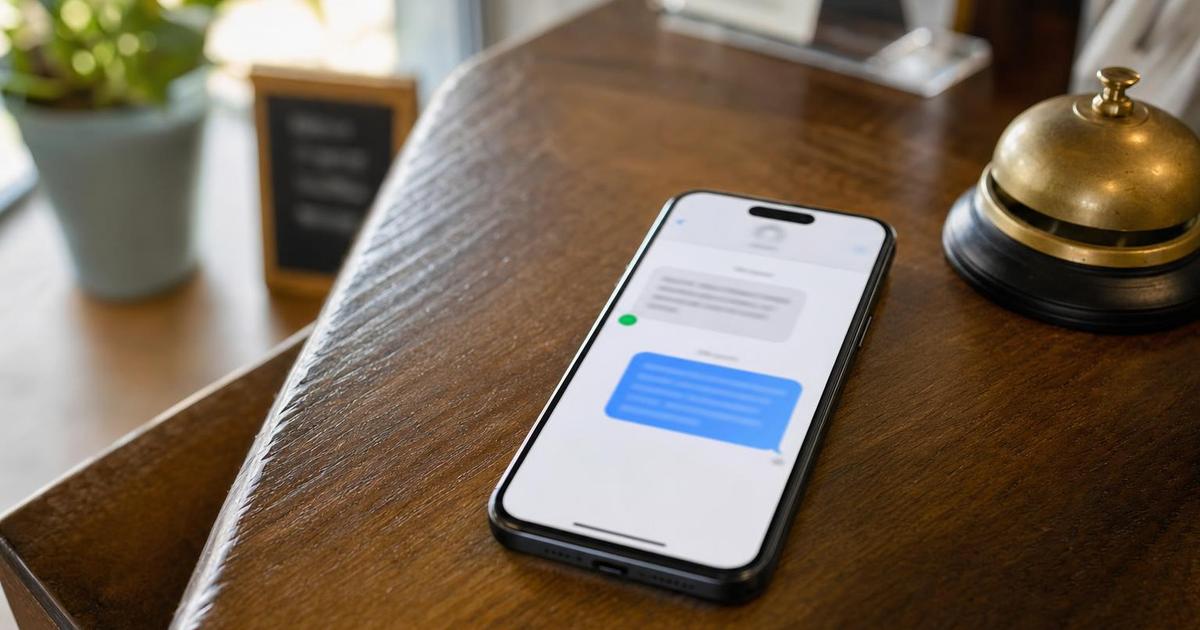
A customer calls, nobody picks up, and thirty seconds later they've already dialed the next business on the list. That's the problem missed-call text-back exists to solve: not "how do we answer every call," which isn't realistic for most small teams, but "what happens in the sixty seconds after we don't." This guide explains what missed-call text-back actually is, how it works, what it typically costs, and where it falls short — including how we build and manage it for clients — so you're deciding from real mechanics and evidence, not a sales page dressed up as an explainer.
Key Takeaways
- 62% of calls to small businesses go unanswered — either sent to voicemail or left with no response at all — based on a 30-day study monitoring 85 businesses across 58 industries.1
- Leads contacted within 5 minutes close at 32%, versus 12% for leads contacted after 24 hours, and 63.5% of companies never respond to a new lead at all.2,3
- Missed-call text-back is a specific, narrow form of automation: an SMS fired automatically to a caller's number the moment a call goes unanswered, not a general chatbot or answering service.
- Text is a channel with genuinely different consumer behavior than a follow-up call or email — response happens fast when it happens, per Twilio's engagement research, but only if the message reads as coming from a real business, not a template.4
- It's a well-established, widely available automation — the risk isn't whether the technology works, it's shipping it with a generic script and no compliance basics in place.
In this guide:
- What missed-call text-back actually is
- How it works, step by step
- Why it recovers leads other channels don't
- What it typically costs
- How Alphalead sets this up
- What to watch out for
- FAQ
What Missed-Call Text-Back Actually Is
Missed-call text-back is an automation that sends an SMS to a caller automatically, within seconds of a call going unanswered, without a person having to notice the miss and manually text back. The message typically confirms the business got the call, apologizes briefly for missing it, and gives the caller a way to keep the conversation going — a link to book a time, a request for the best callback window, or an offer to answer whatever the call was about over text instead.
It's narrower than it sometimes gets marketed as. It isn't a chatbot that can hold an open-ended conversation, and it isn't a full answering service. It's a single, well-defined trigger-and-response: call goes unanswered, text goes out. Anything beyond that first message depends on what system is connected behind it, which is why quality varies so much between a genuinely useful setup and a hollow one sending the same line to everyone.
It's also easy to confuse with the AI voice agents and 24/7 answering automations increasingly common in this space. The two solve overlapping but distinct problems — text-back catches the caller who already tried you and didn't get through; a voice agent tries to prevent that miss from happening at all by answering the call itself.
How Missed-Call Text-Back Works, Step by Step
Missed-call text-back works by watching your business phone line for an unanswered call event and firing a pre-written SMS to that caller's number within seconds, using the same automation infrastructure that powers appointment reminders and other business texting.
- A call comes in and isn't answered — no pickup within a set number of rings, or the caller hangs up first. Either counts as a trigger in most setups.
- The system detects the miss instantly. This runs on a VoIP or cloud phone system, not a traditional landline — the software needs real-time visibility into call events to fire a text while the caller is still paying attention.
- An SMS sends automatically to the caller's number. Usually short: business name, an acknowledgment the call was missed, and a next step — a booking link, a request for a good callback time, or an invitation to describe the issue by text.
- The reply routes somewhere a person actually sees it. A well-built setup drops the response into the same inbox or CRM view as every other lead, so it reaches a human quickly if the caller needs more than the automated message offered.
- The thread stays open. It's a normal SMS conversation — if a CRM or scheduling tool is connected, a reply can update a lead record or book a slot automatically.
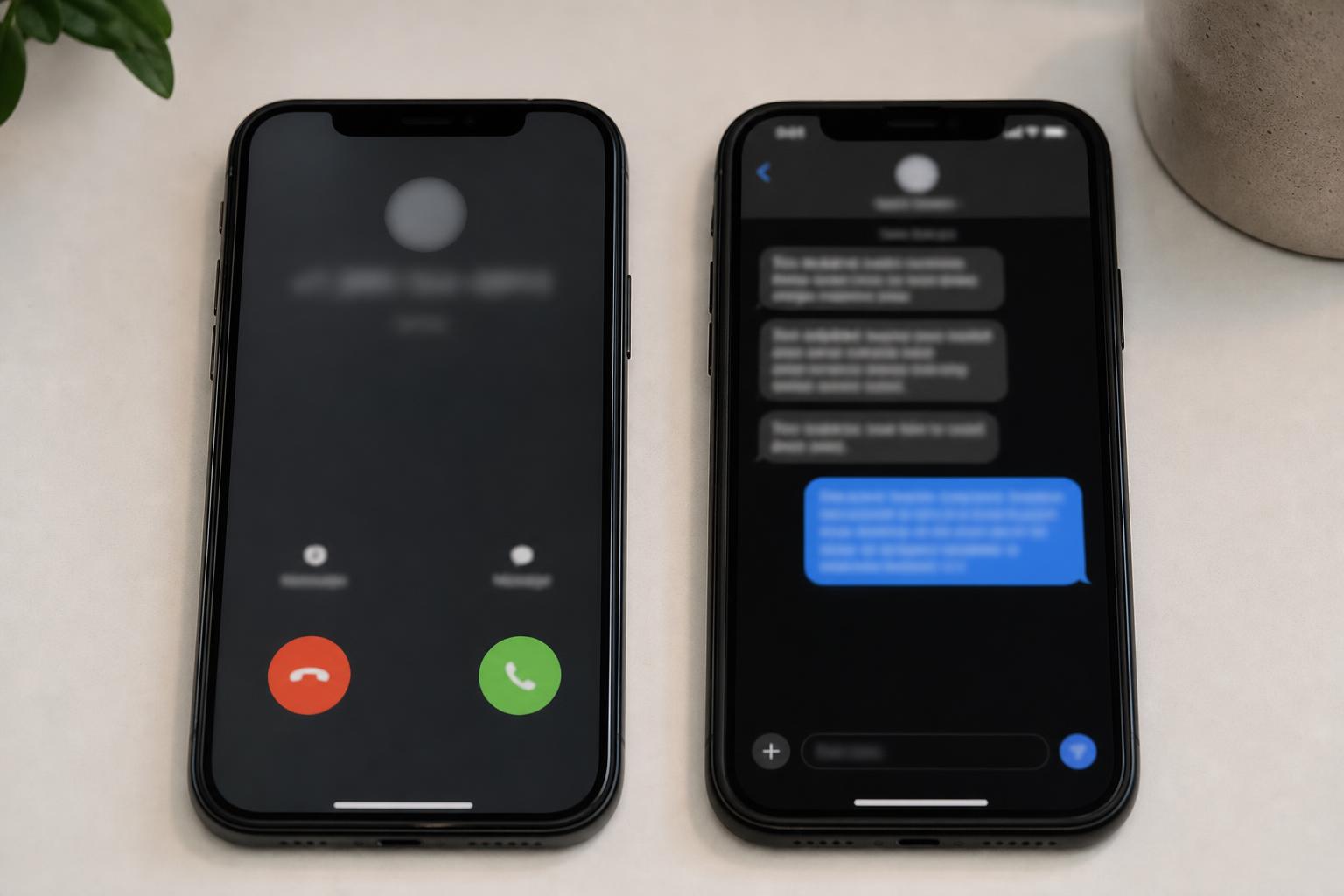
The requirement underneath this is a phone system that exposes call events to software — most modern VoIP and cloud-calling platforms do this natively, which is why text-back is a standard, off-the-shelf capability rather than custom-built software.
Why It Recovers Leads Other Channels Don't
The case for missed-call text-back starts with how common the miss actually is. A study that monitored real call activity across 85 small businesses spanning 58 industries over 30 days found only 37.8% of calls were answered by a live person — 37.8% went to voicemail, and 24.3% got no response of any kind, meaning 62% went unanswered in one form or another.1 That's not a niche failure mode; it's closer to the default outcome for a small business phone line on a normal day.
Text-back closes part of that gap because a missed call is the clearest possible signal a lead is sitting in a dangerous non-response window right now. We've covered the broader case for response speed elsewhere — leads contacted within 5 minutes close at 32% versus 12% for anything past 24 hours, and 63.5% of companies never respond to a new lead at all.2,3 An automated text is built to close exactly that window: it doesn't require anyone to first notice the call was missed.
Twilio's global messaging research, based on a survey of over 4,800 consumers across six countries, found that consumers increasingly expect texting as a default channel for business communication, not an afterthought reserved for delivery notifications.4 A caller who doesn't get an answer and then receives a same-minute text is having that assumption confirmed, not surprised by an unusual channel.
Unique insight: most of the value in missed-call text-back isn't the text itself — it's that texting doesn't require the caller to try again. A voicemail asks them to wait for a callback that may or may not come; a missed call with no response asks nothing and gets nothing back. A text lands in a channel the caller is already watching, and replying takes less effort than calling a second time — exactly the moment a frustrated caller is most likely to give up and call a competitor instead.
What Missed-Call Text-Back Typically Costs
Missed-call text-back has become a standard feature across the business-texting and VoIP-phone category rather than a rare, premium add-on. It shows up bundled into many cloud phone systems and CRM/automation platforms as a built-in trigger, and it's also sold as a standalone setup by freelancers and small automation shops, typically priced as a one-time configuration fee from the tens of dollars to a few hundred, depending on customization and whether it's wired into an existing CRM. That range reflects what's currently visible on general freelance marketplaces for gig-based automation work — rough context, not a formal pricing benchmark.
The range exists because "missed-call text-back" can mean two different builds. On one end, it's a single canned message with no logic behind it — cheap, and it shows. On the other, it's connected to a CRM or scheduling tool so a reply updates a lead record or books a slot directly, which takes more setup and upkeep. The second version is what recovers a lead into a booked job; the first mostly proves the business owns the software.
How Alphalead Sets This Up
To be direct about what we actually offer: Alphalead builds and manages missed-call text-back as part of a client's lead-capture setup, connected to the same phone system and CRM view every other lead lands in rather than a separate app you have to remember to check. The message is written specific to your business instead of a generic "sorry we missed your call" template, and it's wired into whatever booking or reply-routing already handles your other leads, so a caller who texts back reaches a person the same way a call or form fill would.
If you're weighing a one-time freelance build against having this managed on an ongoing basis, Fiverr or freelancer automation setup vs. a managed lead-capture system covers that tradeoff directly — the short version is that a $20-$60 gig can build the trigger-and-response mechanism just fine. What it doesn't include is someone watching whether it still fires correctly after your phone system changes, your call volume spikes, or the message goes stale. That's the part we stay accountable for once it's live.
What to Watch Out For
The technology itself is mature and unremarkable at this point — the real differences between a text-back setup that works and one that quietly annoys people show up in the details.
Generic scripts read as generic, and callers notice. A message that could have come from literally any business ("Sorry we missed your call! Reply STOP to opt out.") doesn't counter the frustration of not getting through. Podium's research on local-business texting, based on a survey of just over 1,000 US consumers, found 74% would be more likely to keep texting a local business if they knew a real person was replying, and 50% said they're more likely to respond at all if the person behind the texts introduces themselves.5 A text that names the business, sounds human, and offers something specific beats a flat template.
Consent and compliance aren't optional, even for a one-line reply. Texting a US phone number falls under the Telephone Consumer Protection Act (TCPA), which draws a real line between a transactional message (confirming a call was missed) and a marketing message (anything promotional). The moment a text-back adds a discount code, it needs the stricter written-consent standard that applies to marketing texts, not the lighter bar for a transactional confirmation. A working "reply STOP" opt-out and respecting business-hour norms for follow-up are the baseline, not extras.
A text-back with no real follow-through is worse than none. If a caller replies and nobody sees it for hours, the automation has manufactured a second broken promise. The message should route somewhere a person is actually watching, ideally the same place every other lead lands.
It's not a substitute for actually answering more calls. Text-back recovers some share of the leads a missed call would otherwise lose, but it's a repair mechanism, not a fix for the underlying miss rate. A business answering more calls in the first place — through better staffing, routing, or an AI voice agent that can pick up when nobody's free — needs text-back less than one missing 6 or 7 out of 10 calls and treating the text as the whole solution.

Frequently Asked Questions
Does missed-call text-back actually work, or is it just a marketing gimmick?
The mechanism is real and well-established: it's the same call-event and SMS infrastructure that powers appointment reminders and delivery notifications, applied to a missed-call trigger instead. Whether a specific implementation works depends heavily on execution — a generic, unmonitored auto-reply recovers far less than a personalized message routed into a system someone actively watches, per the personalization data above.5
How is missed-call text-back different from an AI voice agent or a chatbot?
Text-back is a single trigger-and-response action — a call goes unanswered, one text goes out. An AI voice agent actually answers the call and can hold a conversation; a chatbot typically lives on a website rather than reacting to phone activity. Text-back is the narrowest of the three, and also the least likely to misfire — there's less it's trying to do. See AI voice agent vs. missed-call text-back vs. human answering service for a full head-to-head on cost, coverage, and which fits your business.
Does missed-call text-back require a new phone number?
Not usually. Most implementations work through the existing business line, provided it runs on a VoIP or cloud-based phone system that can expose call events to software in real time. A traditional analog landline typically can't support this without switching phone systems first.
Is texting customers back after a missed call legal?
Yes, with conditions. A short, non-promotional confirmation tied to the call the person just made is generally treated as a transactional message under the TCPA, with a lighter consent bar than marketing texts. Adding discounts or promotional content later requires the stricter written-consent standard, plus a working opt-out. Getting this distinction wrong is a compliance risk, not a technicality to skip.
Key Takeaways and Next Steps
Missed-call text-back is a narrow, well-proven piece of automation that solves a specific problem: a majority of small-business calls already go unanswered in some form, and a caller who doesn't get through is deciding whether to try again or move on in the minutes right after, not days later.1,2 The technology isn't the hard part — a personalized message routed into a system someone actually monitors, with SMS consent handled correctly, is what separates a setup that recovers real leads from one that just checks a box. For how this fits alongside the rest of the lead-capture stack, see what actually stops leads from slipping through. Once the initial miss is covered, appointment booking automation covers the next step in the same chain — turning a caller who texted back into an actual booked time. If a missed call is costing you leads, talk to our team about setting this up as part of your account.
Want more like this in your inbox?
Occasional, practical marketing advice for local service businesses. No spam.
References (5)
- 1.411 Locals — Missed-call study, 30-day monitoring period across 85 businesses in 58 industries
- 2.Optifai — Lead Response Time Benchmarks, 2026, n=939 B2B SaaS companies; see this blog's full response-time analysis for the complete source set
- 3.RevenueHero — We Tested Lead Response Times of 1,000 B2B Sales Teams, 2024
- 4.Twilio — Global Messaging Engagement Report, survey of 4,800+ consumers across 6 countries
- 5.Podium (Momentive/SurveyMonkey survey) — Local Business Messaging Trends report, May 2021, n=1,004 US and Australian consumers

Written by
Yash · Creative Specialist
Builds the creative and content that gets your business noticed.