Lead GenerationAugust 1, 2026By Yash
10 Lead Generation Mistakes Costing Small Businesses Customers
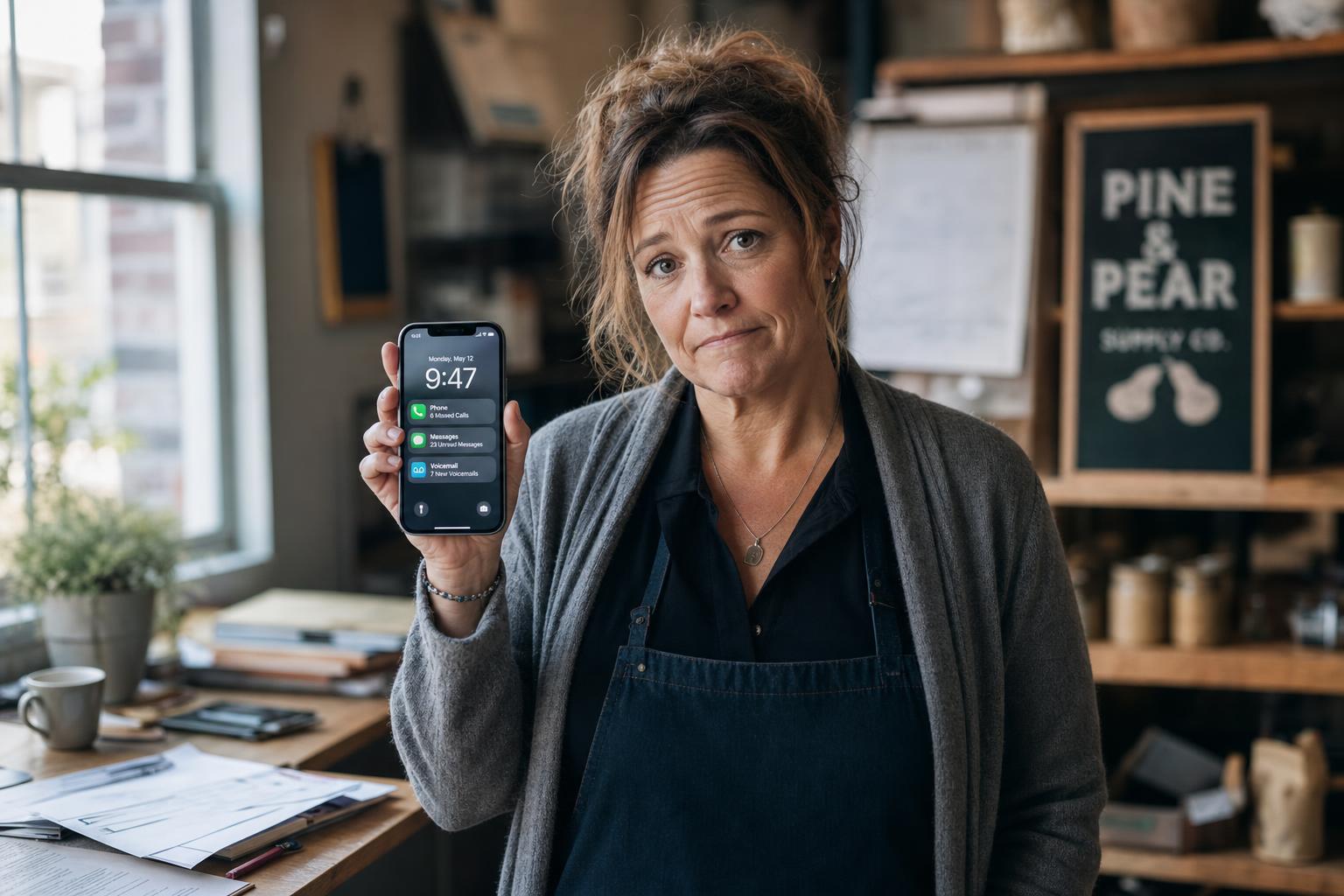
Generating a lead is the easy part. Most of the value gets lost afterward, in small execution mistakes that never show up as a single dramatic failure — just a slow leak in the conversion rate.
This list skips the two things we've already covered elsewhere in this series: how much a lead should cost, and how to vet a marketing agency. These are the tactical mistakes inside your own funnel — the ones you control directly, starting today, without hiring anyone.
Key Takeaways
- Top-performing sellers convert 52 out of 100 contacts into meetings, versus 19 out of 100 for everyone else — the gap comes from follow-up discipline and qualification, not better leads.1
- A landing page loading in 1 second converts roughly 3x higher than one loading in 5 seconds, and 5x higher than one loading in 10 seconds.2
- Sending ad traffic to a dedicated landing page instead of your homepage can more than double conversion rate — one controlled test found 17.1% versus 7.9%.6
- Personalized calls-to-action convert 202% better than generic ones.4
- Only 45% of people who start filling out an average online form actually finish it.7
In this guide:
- 1. Stopping follow-up too soon
- 2. Treating every lead as equally worth pursuing
- 3. Not tracking where leads actually come from
- 4. Sending traffic to a slow site
- 5. Ignoring mobile speed specifically
- 6. Sending ad traffic to your homepage
- 7. Generic, one-size-fits-all CTAs
- 8. Forms that ask for everything upfront
- 9. Never A/B testing anything
- 10. Vague qualifying questions
- FAQ
1. Stopping Follow-Up Too Soon
Follow-up cadence is the number and spacing of contact attempts made after a lead first reaches out. Most sellers need an average of 8 touchpoints to secure an initial meeting with a new prospect. Top performers do it in just 5.1 That gap is persistence, not talent. It's most of the difference between converting 52 out of 100 contacts into meetings and converting only 19.1
The mistake isn't usually giving up after one call. It's giving up after two or three, well before the average prospect actually responds.
2. Treating Every Lead as Equally Worth Pursuing
Top-performing sellers rate 100% of the meetings they book as genuinely high-quality. Everyone else rates only 55% of theirs that way.1 That gap doesn't come from better luck — it comes from being selective about which leads get the full follow-up sequence and which don't.
Pursuing every lead with identical intensity spreads your limited follow-up time across contacts that were never going to close, at the expense of the ones that would have.
3. Not Tracking Where Leads Actually Come From
Consider a business running Google Ads, a Facebook page, and a referral program all at once, with every inquiry landing in the same untracked inbox. Without knowing which channel a lead came from, there's no way to know which one to invest more in. Decisions end up based on gut feeling instead of what's actually converting.
This doesn't require expensive software. A simple UTM parameter on every ad link and a "how did you hear about us" field on every form covers most of it.
4. Sending Traffic to a Slow Site
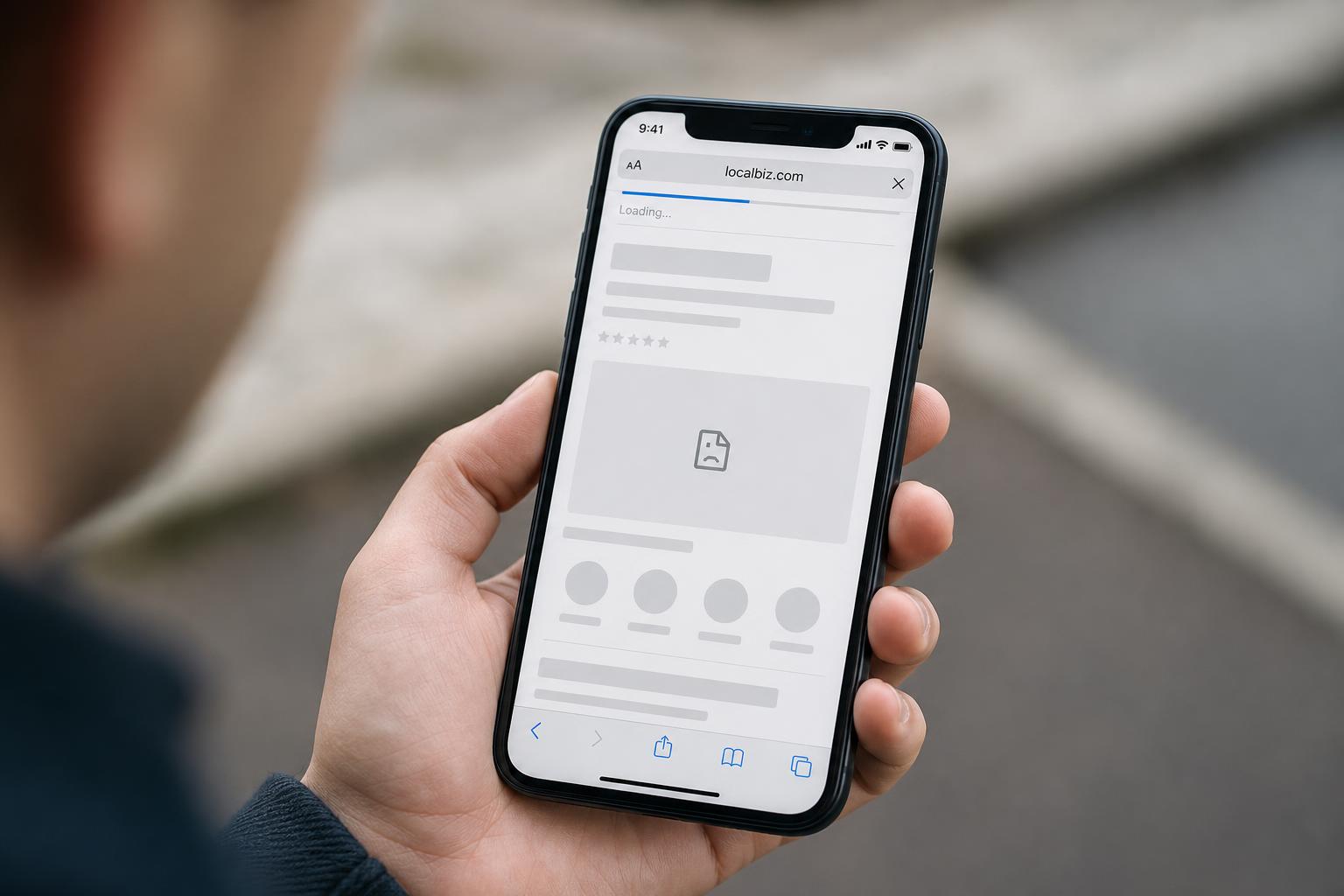
A landing page that loads in 1 second converts roughly 3x higher than one that takes 5 seconds, and 5x higher than one that takes 10.2 Every second spent waiting for a page to render is a second a visitor has to reconsider clicking away instead.
Most small business sites were never speed-tested against the exact page ad traffic actually lands on. That page — not the homepage, not a random inner page — is the one worth checking first.
5. Ignoring Mobile Speed Specifically
A 0.1-second improvement in mobile load speed lifted conversion rate by 8.4% and spend per visitor by 9.2% in one large cross-brand study.3 Mobile speed isn't a subset of "site speed" — it behaves differently, on slower networks and less powerful hardware, and it's where most local-service and small-business traffic actually arrives.
Testing your site on desktop wifi and calling it done misses the connection quality most of your real leads are dealing with.
6. Sending Ad Traffic to Your Homepage
The median landing page conversion rate across industries is 6.6%, with the top 10% converting above 11.45%.5 A homepage has to serve every visitor's need at once — new customers, existing customers, job applicants, competitors — while a dedicated landing page only has to do one job.
That's one case study, not a universal number every business will hit. But the direction is consistent with the industry-wide landing page benchmarks above: a page built for one purpose consistently outperforms one built for everyone.
7. Generic, One-Size-Fits-All CTAs
Personalized calls-to-action convert 202% better than generic, basic ones, based on an analysis of over 330,000 CTAs.4 A personalized CTA is one tailored to the specific page, offer, or visitor segment it appears on, rather than a single "Contact Us" button reused across an entire site.
Most small business sites use exactly one CTA everywhere: same text, same button, same page. Matching the CTA to what the visitor was actually looking at is a small change with an outsized effect on conversion.
8. Forms That Ask for Everything Upfront
Only 45% of people who start an average online form actually complete it, and contact forms specifically convert at just 9% view-to-completion — some form types (like local-government forms, at 85%) convert far higher, almost entirely due to differences in length and design.7

Every optional field is a small reason to abandon. Name, phone, and one qualifying question is usually enough for a first touch — everything else can be gathered on the actual call.
9. Never A/B Testing Anything
A/B testing means running two versions of the same page or CTA against real traffic and measuring which one actually converts better, rather than guessing. Most small businesses build a landing page once and never revisit it.
Something as small as a headline, a button color, or a form length can shift conversion meaningfully, and there's no way to know which version wins without testing both.
10. Vague Qualifying Questions
A contact form that only asks for name, email, and phone accepts everyone equally, including people who were never a realistic fit. One extra, specific question — budget range, timeline, or property type, depending on what you sell — filters weak leads before they ever hit a salesperson's calendar.
Unique insight: mistakes #1, #2, and #10 are really one mistake wearing three disguises. The businesses converting the highest share of leads into meetings aren't getting better leads by chance — they're filtering earlier, with a sharper qualifying question, so the follow-up effort from mistake #1 gets spent on people worth pursuing instead of spread evenly across everyone who filled out a form.
Frequently Asked Questions
What's the single most common lead generation mistake small businesses make?
Stopping follow-up too early. Most prospects take an average of 8 touchpoints to convert to an initial meeting, and most businesses give up well before that.1
Does site speed actually affect lead conversion that much?
Yes. A page loading in 1 second converts roughly 3x higher than one loading in 5 seconds.2 On mobile specifically, even a 0.1-second improvement measurably lifts conversion.3
Should I send Google Ads traffic to my homepage or a landing page?
A dedicated landing page, in almost every case. Homepages have to serve every type of visitor at once; a landing page only has to convert the one audience your ad targeted. Industry-wide, dedicated landing pages convert at a 6.6% median, with top performers well above that.5
Key Takeaways
None of these ten fixes require a bigger budget — they require closer attention to what's already happening inside your funnel. Start with whichever one is easiest to check today: how many follow-up attempts your last ten leads actually got, and how fast your ad landing page loads on a phone. If you want a second set of eyes on where your funnel is actually leaking, talk to a growth strategist, or see the full lead generation playbook for the budget and channel-cost side of this.
Want more like this in your inbox?
Occasional, practical marketing advice for local service businesses. No spam.
References (7)
- 1.RAIN Group — How Many Touchpoints Does It Take to Make a Sale?, survey of 489 B2B sellers, updated June 2026
- 2.Portent — Site Speed is (Still) Impacting Your Conversion Rate, 100M+ page views across 20 sites
- 3.Google / web.dev — Milliseconds Make Millions, 37 brand sites, 30M+ mobile sessions
- 4.HubSpot — Personalized CTA study, 330,000+ CTAs analyzed, updated Sept 2025
- 5.Unbounce — 2024 Conversion Benchmark Report, 41,000 landing pages
- 6.ConversionLab — Landing page vs. homepage A/B test case study, Dec 2024
- 7.Zuko — Form analytics benchmark data, 2025

Written by
Yash · Creative Specialist
Builds the creative and content that gets your business noticed.